
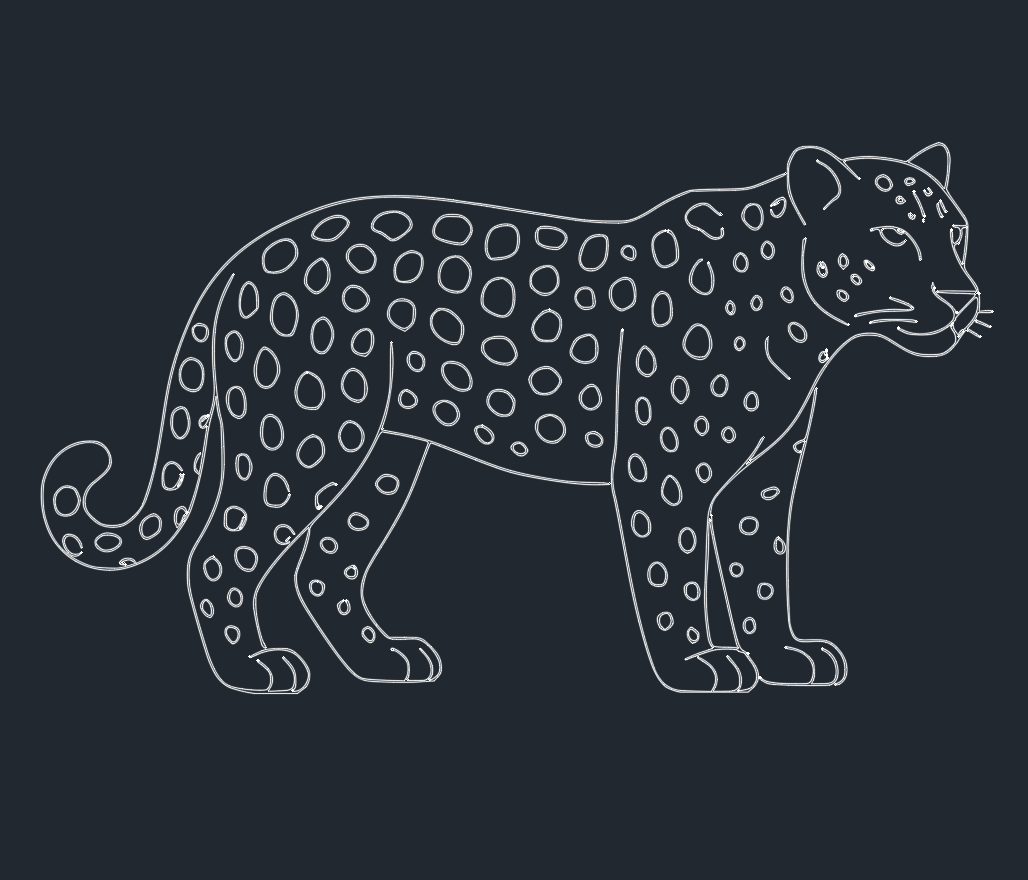
Introduction to Leopard DWG Files for CAD Professionals
Leopard designs are increasingly sought after in the world of CAD, especially for professionals looking to incorporate visually striking elements into architectural, engineering, or interior projects. As a skilled engineer, CAD designer, or architect, leveraging high-quality leopard DWG files can enhance your presentations and technical drawings, providing unique textures and stylish motifs that stand out in a competitive field.
Importance of Leopard Patterns in CAD Design
Leopard patterns are not just aesthetically pleasing—they also serve functional purposes in CAD projects. These patterns can be used for decorative panels, facade treatments, or even as part of architectural wayfinding systems. Utilizing a leopard DWG file allows for precision, scalability, and easy integration into existing AutoCAD workflows.
Benefits for Engineers and Architects
– Precision and Scalability: Leopard DWG files maintain accuracy at any scale, ensuring crisp, detailed results whether used for large facades or small decorative inlays.
– Versatility: These patterns can be adapted for laser cutting, CNC machining, and digital fabrication, fitting seamlessly into various project requirements.
– Enhanced Presentation: Incorporating a leopard pattern DWG elevates visual interest in client presentations and proposal documents.
Features of High-Quality Leopard DWG Files
When searching for leopard DWG files, engineers and CAD designers should focus on specific technical criteria:
– Layer Organization: Well-organized layers for easy editing and customization.
– Polylines and Blocks: Efficient use of polylines and blocks for seamless integration and modification.
– Compatibility: Files should be compatible with all major AutoCAD versions and other popular CAD platforms.
– Editable Elements: The pattern should be fully editable, allowing for adjustments to scale, density, and orientation without loss of quality.
File Formats and Integration
While DWG is the standard for AutoCAD, it’s beneficial if the leopard pattern is also available in other formats such as DXF and SVG. This ensures compatibility with a wide range of design and fabrication tools, promoting workflow efficiency for architects and engineers.
How to Use Leopard DWG Patterns in Your Projects
Step 1: Download and Import
Begin by sourcing a reliable leopard DWG file from a reputable CAD library. Import the pattern into your existing project, ensuring that the scale matches your drawing’s units.
Step 2: Customize the Pattern
Edit the leopard pattern to suit your project’s requirements. Adjust layer properties, line weights, and pattern density to achieve the desired visual effect. Use AutoCAD’s array and mirror tools to expand or repeat the pattern seamlessly across a surface.
Step 3: Apply to Materials or Surfaces
Assign the leopard pattern to specific materials or surfaces within your model. For architectural applications, consider using the pattern for feature walls, partitions, or custom screens. In product design, apply the motif to enhance prototypes and presentations.
Best Practices for CAD Designers
– Maintain File Organization: Always keep your leopard DWG files organized within your project directory for easy access and version control.
– Check for Licensing: Ensure that the leopard pattern DWG file is free to use for commercial projects, or properly licensed.
– Test in Renderings: Preview the pattern in rendered views to assess shadowing, scale, and overall impact within the design context.
Conclusion
Leopard DWG files are a powerful asset for engineers, CAD designers, and architects aiming to incorporate bold, contemporary patterns into their technical drawings. By choosing high-quality, editable leopard patterns and integrating them with best CAD practices, you can elevate the aesthetic value of your projects while maintaining technical precision.
For more downloadable leopard DWG files and resources, explore our extensive AutoCAD library, where every file is curated for professional use. Optimize your workflow, impress your clients, and stay ahead in design innovation with the right leopard DWG patterns.
Leave a Reply
You must be logged in to post a comment.