
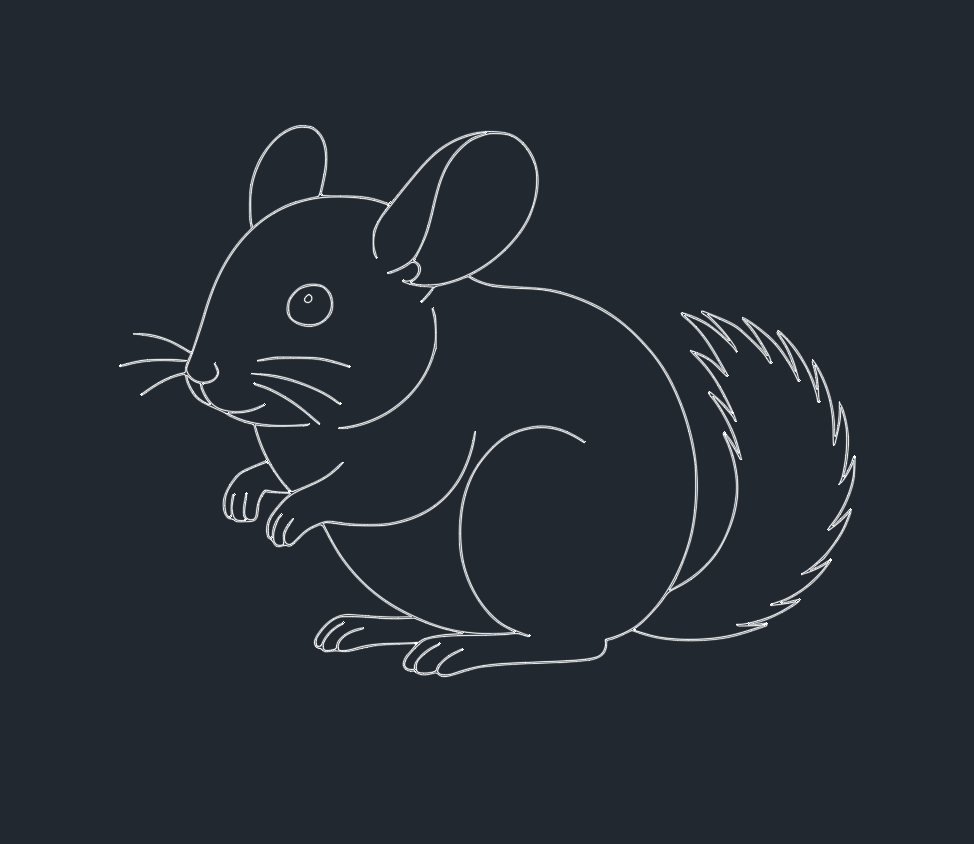
Understanding Chinchilla: Applications in Engineering and CAD Design
Chinchilla, in the context of engineering and CAD design, typically refers not to the animal but to surface textures and materials inspired by the dense, fine fur of the chinchilla. This unique texture is significant in architectural visualization, product design, and material libraries for AutoCAD and DWG projects. Understanding how to integrate chinchilla textures and materials into your CAD workflow can enhance realism and improve the quality of your engineering presentations.
What is Chinchilla Texture?
Chinchilla texture is characterized by its soft, plush appearance, commonly used to represent high-end fabrics, upholstery, or even specialized building materials. In architectural renderings and product design, chinchilla texture can simulate luxurious finishes for furniture, drapery, and interior surfaces. By incorporating chinchilla textures into your DWG and AutoCAD libraries, you can provide clients with a tactile sense of quality and comfort in your designs.
Applications of Chinchilla in AutoCAD and DWG Libraries
Interior Design and Visualization
Chinchilla textures are particularly popular in interior design CAD projects. Architects and designers often rely on chinchilla textures to depict plush carpets, throws, or wall coverings. By utilizing chinchilla DWG blocks or texture maps, you can quickly apply realistic surface finishes to 3D models, enhancing both the aesthetic appeal and material accuracy of your renderings.
Product and Furniture Design
For engineers and product designers, chinchilla is used to represent soft-touch surfaces in furniture, automotive interiors, or consumer products. Including chinchilla material libraries in your AutoCAD projects allows for precise specification and visualization of components, ensuring that the end product meets client expectations for both appearance and functionality.
Architectural Facades and Panels
Innovative architects may also use chinchilla-inspired textures for external facades or decorative panels. The unique pattern can add depth and interest to building exteriors, and detailed chinchilla DWG patterns can be used to communicate design intent to contractors and fabricators.
Integrating Chinchilla Textures in Your CAD Workflow
Sourcing Chinchilla DWG Blocks and Textures
Many online DWG libraries offer chinchilla material patterns and texture files compatible with AutoCAD and other popular CAD software. When selecting chinchilla blocks, ensure they are high-resolution and accurately scaled for your specific application. This will help maintain consistency and realism across your project.
Applying Chinchilla Materials in AutoCAD
To apply a chinchilla texture in AutoCAD, import the relevant material map or block into your model. Use the MATERIALS or RENDER commands to assign the chinchilla texture to specific surfaces. Adjust scale, orientation, and reflectivity as needed to match your design intent. For best results, combine chinchilla textures with proper lighting and rendering settings to showcase the material’s unique properties.
Customizing Chinchilla Patterns
Advanced users can create custom chinchilla patterns using image editing software or CAD tools. By generating seamless chinchilla textures, you can tailor surface finishes to match client specifications or unique design requirements. Save your custom chinchilla blocks to your DWG library for efficient reuse in future projects.
Benefits of Using Chinchilla in Engineering and Design Projects
– Enhanced Realism: Chinchilla textures add visual and tactile realism to CAD models, improving client presentations and project approvals.
– Material Accuracy: Using chinchilla DWG blocks allows for precise specification of finishes, reducing errors in material selection.
– Design Flexibility: Chinchilla textures can be adapted for a wide range of applications, from interiors to exteriors and product design.
– Time Efficiency: Ready-made chinchilla blocks speed up the design process, allowing engineers and architects to focus on core project tasks.
Conclusion
Integrating chinchilla textures and materials into your AutoCAD and DWG library enhances the quality and realism of your engineering, architectural, and product design projects. By leveraging chinchilla DWG blocks and optimizing material application within your CAD workflow, you can deliver exceptional results that meet both aesthetic and technical requirements. For engineers, CAD designers, and architects, chinchilla remains a versatile and valuable addition to any digital design library.
Leave a Reply
You must be logged in to post a comment.